Threat intelligence stories
Small IT teams get a single console for patching, remote support and security alerts as endpoint management and response are merged globally.
Schools can now plug age-specific lessons into classrooms as VIPRE’s new training tackles phishing, bullying and AI impersonation threats.
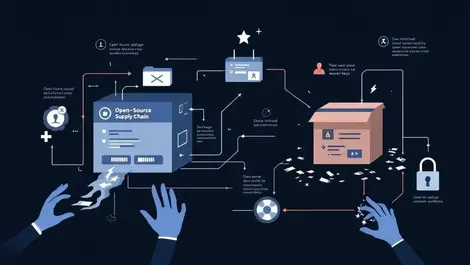
Attackers hid malware in familiar package workflows, prompting Sonatype to log 21,764 malicious open-source packages in the quarter.
It aims to cut the need for multiple IT tools by combining patching, security alerts and remote support in one dashboard for distributed fleets.
Faster AI-led flaw discovery could overwhelm patching and disclosure processes, leaving companies with bigger backlogs and less time to respond.
The certifications strengthen customer assurance as AI-driven phishing and impersonation attacks rise, giving buyers clearer proof of Doppel's controls.
Banks and government agencies face a wider mobile fraud threat after researchers tied fake Android apps to a Cambodia scam compound.
Banks and public bodies in 21 countries face device-takeover fraud that can steal SMS codes, biometric data and funds.
Enterprises can now assess suspicious files in under 100 milliseconds, as OPSWAT adds a machine-learning layer to MetaDefender.
A Monday-morning Microsoft 365 login from Germany was flagged, letting a partner reset a compromised account before attackers could act.
Proxy networks built from compromised home devices are helping attackers hide in plain sight across Asia Pacific, Lumen says.
A 1,151% jump in iOS injection attacks in late 2025 has put mobile identity checks under fresh pressure, iProov says.
Businesses with public-facing IP addresses are under constant threat as a new tracker shows 71,793 automated attack attempts in 24 hours.
Australian security teams are under pressure to prioritise fixes as attacks surge and exploited vulnerabilities can now be used within five days.
Enterprises face faster phishing, deepfakes and automated exploits as security leaders say existing controls lag behind frontier AI models.
Live SOCs could cut triage times by up to tenfold after AI was embedded with strict guardrails, human oversight and operational context.
The United States and X dominate deepfake spread, with a new report linking 46.9% of cases to the US and most incidents to social media.
Eligible US digital asset firms will now get Treasury cyber threat warnings at no cost, after losses from hacks topped hundreds of millions of dollars.
Singapore’s digital economy faces rising pressure as attacks climbed 22% in March, far outpacing a 5% global decline.
Critical infrastructure and cloud operators face harder-to-detect attacks as criminals turn routers, VPN gateways and IoT kit into proxies.