Emergency management stories
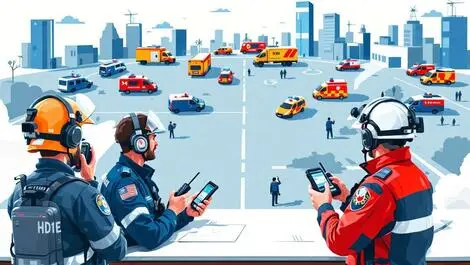
Public safety agencies across states have launched a trial of Motorola Solutions' Critical Connect to improve cross-border emergency communications and coordination.
EcoOnline has acquired crisis management software provider D4H to enhance its platform, integrating crisis readiness with its EHS and ESG solutions.
Artificial intelligence (AI) is revolutionising security with advanced surveillance cameras that augment monitoring, improve threat detection and streamline emergency responses, reshaping public safety and crime prevention.
Winsted previews its ergonomic PSAP console for emergency centres, highlighting comfort and tech integration ahead of its summer release.
Victoria has secured a AUD $500 million deal with Motorola Solutions, enhancing its emergency mobile radio network crucial for public safety until 2035.
Ratepayers could face more pressure unless ministers ease red tape, funding rules and reporting burdens on councils this year.
The safeguard deal follows eye burns to a worker and will see Ecostore spend more than GBP £160,000 on AI alerts, training and PPE.
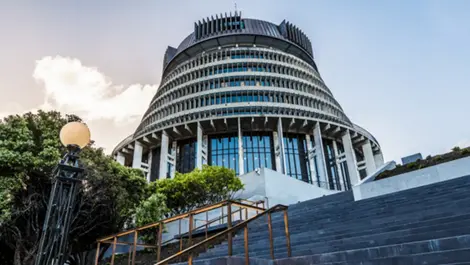
Councils could face fresh funding pressure after Wellington backed wider emergency management reforms and minimum national standards.
Wellington's Effect appoints Pete Lister as CEO, effective 1st November, as the agency eyes expansion in digital solutions and technology capabilities.
Courts are widening health and safety duties to cover consultants whose advice can put workers and the public at risk.
Astrikos.ai teams with UP 112 to upgrade emergency response in Uttar Pradesh using AI, aiming to boost efficiency, crime prediction, and resource deployment.
A study finds UK emergency services suffer frequent communication outages due to limited technology diversity, highlighting the need for mixed communication systems.
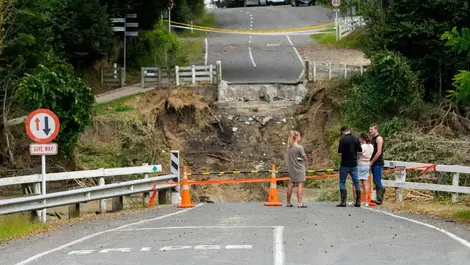
Stronger planning rules are still needed to stop homes being built on land prone to landslides and coastal erosion after Cyclone Gabrielle.
The report says Cyclone Gabrielle exposed how failures in power, water and communications can cascade across New Zealand's critical networks.
Additional funding will boost flood forecasting and climate adaptation work after recent cyclones exposed gaps in New Zealand's resilience.
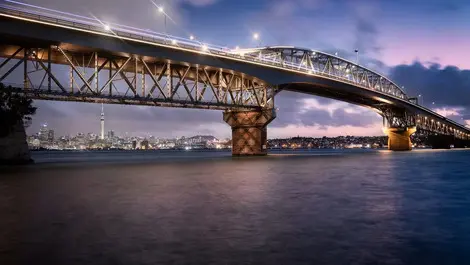
Auckland businesses face repeated disruptions as the transport agency’s lower wind thresholds keep forcing Harbour Bridge closures and delays.
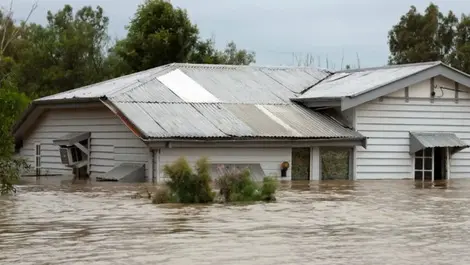
Ratepayers and taxpayers will help fund buyouts and flood defences for homes in areas hit by severe weather after years of underinvestment.
Severe weather, Covid and inflation are worsening New Zealand’s infrastructure, emergency readiness and cost of living, with repairs set to take years.
Cyclone Gabrielle has deepened New Zealand's infrastructure shortfall, as officials say public funding alone cannot cover a NZD $210 billion gap.
Councils could face heavier compliance costs and less say over local water services if the current reform model goes ahead, LGNZ says.