Electrification stories
The funding is set to safeguard thousands of jobs as Canada pushes to bolster its battery supply chain and EV manufacturing base.
Canada and Japan launch a wide-ranging Indo-Pacific pact spanning defence, clean energy, critical minerals, trade and advanced technology.
It has cut operational emissions sharply, but the group still has a long way to go to hit its annual sustainability target.
The funding will help industrial operators cut diesel use and emissions without replacing existing power systems, especially at remote sites.
The rollout will put Google’s AI tool in front of 100,000 staff, as the supplier seeks faster software development and tighter internal collaboration.
Lower running costs and emissions rules are accelerating battery-powered machinery uptake across construction, farming and mining sites.
The multi-year pact should bolster Northern Ireland’s power resilience as utilities face rising cyber threats and ageing infrastructure.
ANZ's clean energy shift now hinges on coordinating complex, data-driven grids as distributed resources strain ageing digital systems.
Energy and chemicals groups target 80% autonomous operations by 2030 as AI-led automation accelerates amid costs, labour gaps and demand.
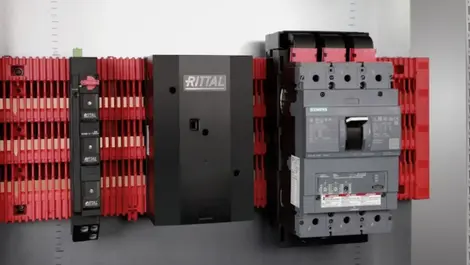
Siemens and Rittal forge IEC-focused alliance to standardise high-density AI data centre power, debuting modular sidecar rack systems.
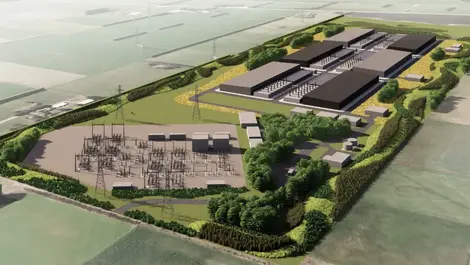
Datagrid wins consent for Southland “AI factory” data centre and subsea cable, paving way for 280 MW campus near Invercargill.
Industry leaders are ramping up electrification, flexibility and digital tools to hit net-zero goals, but warn policy uncertainty risks delays.
The net-zero transition risks stalling unless more women shape the tech driving AI, cybersecurity and digital energy systems.
Siemens unveils an autonomous building portfolio at Frankfurt's Light + Building fair, promising smarter energy, maintenance and comfort.
Heightened scrutiny over components and costs makes the hire significant as Vertiv seeks to keep data centre equipment flowing amid AI-driven demand.
In a 10 MW model, replacing copper with superconductors could also lift efficiency to 99%, easing cooling demands for AI data centres.
ABB and TCS have expanded their industrial AI pact to modernise factories, upgrade IT, and explore new AI infrastructure in India.
Australia proposes tougher grid connection standards for data centres as rising electricity demand tests system stability and reliability.
Surging UK data centre demand is choking switchgear supply, delaying commercial builds as manufacturers prioritise mega digital projects.
Southampton Science Park becomes first UK science park to reach 1MW solar capacity, with panels proving resilient in record January rain.