Asia Pacific stories
AI-driven service delivery and stronger client results helped TP secure Frost & Sullivan's top Asia-Pacific customer experience honour.
The tie-up aims to improve secure connectivity for remote oil, gas and maritime operations across Malaysia and selected Asia-Pacific markets.
Rising phishing, ransomware and AI misuse are leaving organisations exposed, with weekly attacks up 22% from a year earlier.
Rising AI use and customer growth across the region have prompted a leadership shake-up as Smartsheet expands in Asia-Pacific and Japan.
Onboarding large catalogues now takes days rather than weeks, as the platform can ingest up to 20 million tracks a day after its AWS overhaul.
The deal gives 80,000 students and staff access to ChatGPT Edu as universities race to embed artificial intelligence in teaching and research.
Digital businesses can now manage accounts, transfers and reporting inside existing software, as xpate shifts further into embedded finance.
Grid congestion is adding risk and a scarcity premium to data centre deals as AI demand drives electricity needs sharply higher.
A draft standard could make wearable duress alarms prove they alert responders within five seconds and send the worker's location.
Security teams can now trace how one weak point becomes a full breach path as Filigran automates multi-step testing in OpenAEV v3.
Online gifting shoppers across six Asia-Pacific markets should see fewer checkout errors as Limitless Technology shifts to one payment provider.
Rising demand for AI and cloud infrastructure is intensifying competition for capital, sites and power across Asia Pacific's data centre market.
As organisations wrestle with complex suppliers and stricter compliance, the move aims to bolster oversight of operational and cyber risk.
Client demand across Asia Pacific has tripled since BitGo won its Singapore licence, prompting a bigger hub for custody and trading.
The deal gives banks and fintechs in the Philippines and Southeast Asia wider access to fraud checks as online transactions surge.
The deal would widen Circle's reach in Asia-Pacific and emerging markets, adding Tazapay's network of more than 60 partners and 100 payout rails.
Unresolved fraud is eroding confidence in Southeast Asia's digital economy, with scam victims often switching providers after losses.
Home loan applicants are reaching loan lodgement 2.5 times faster after Lendi Group linked AI agents to Twilio's platform.
Spoofed emails could still reach public servants and citizens, as 50% of more than 200 New Zealand agencies have not met the DMARC standard.
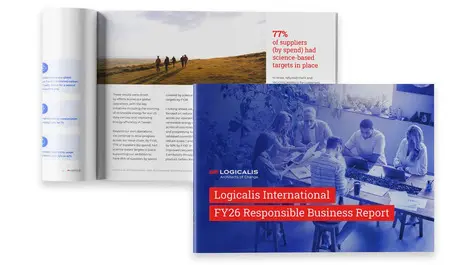
Scope 1 and 2 emissions fell 34% from Logicalis's FY22 baseline, while renewable electricity use rose and supplier climate pledges advanced.