Threat detection stories
Rising phishing, smishing and social engineering attacks are exposing connected cameras and access systems to credential theft, Genetec says.
AI security optimism is running ahead of readiness, as most Canadian organisations still lack zero trust and full access visibility.
The move aims to widen security coverage as firms struggle to test expanding attack surfaces quickly enough.
Cloud teams can now investigate incidents and fix risks inside coding tools, as Sysdig shifts security work from dashboards to AI agents.
Security teams can now watch Windows Server workloads in real time across AWS, Google Cloud and Azure, reducing blind spots in mixed estates.
Rising encrypted and AI-related traffic is forcing firms to rethink firewall performance as Fortinet adds higher-capacity models for data centres and edge sites.
Many firms still cannot stop intrusions, even as AI is now implicated in most reported breaches and security budgets keep rising.
Rising attack speeds are forcing stretched IT teams to act faster, as Tanium says its new system can turn one operator into many.
Canadian firms are still exposed by weak identity controls, despite reporting slightly fewer cyberattacks than the global average.
Pressure to simplify fragmented security tools is driving BlueVoyant’s leadership shake-up as John Hernandez takes over as Chief Executive Officer.
Session cookie theft lets attackers slip past multifactor checks, putting enterprise email accounts at risk even after login.
Rising identity-based attacks are pushing Australian and New Zealand businesses to seek faster recovery tools for Active Directory and hybrid systems.
More ANZ resellers can now access Huntress tools as the deal aims to help smaller firms counter rising email and remote-access attacks.
Many security teams are deploying AI before proving it works, with readiness scores as low as 30% despite 78% confidence.
Broader attacker activity is increasingly moving beyond stolen credentials, even as identity still accounted for 58.7% of incidents in Q1 2026.
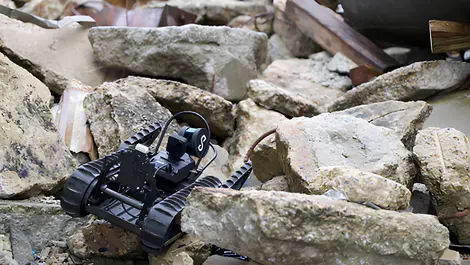
Hazard teams can now pair 3D mapping with radiation readings on Teledyne FLIR robots and drones for GPS-denied CBRN missions.
Security teams facing rising alert volumes now have a guide for deciding which tasks AI should handle and which need human control.
Yet only 15 per cent have deployed OT-specific visibility tools, even as cyber incidents have already disrupted critical systems for most respondents.
Vulnerability exploitation has collapsed from years to hours, leaving organisations racing to fix exposed systems before attackers do.
A lack of visibility is leaving many European organisations unable to tell whether AI-powered attacks have already breached their systems.