Health and Safety stories
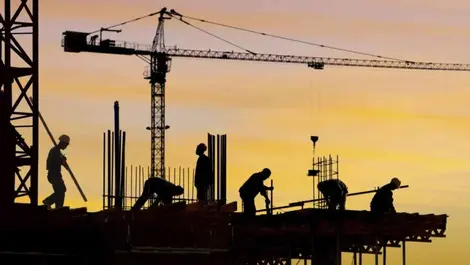
A traceability scheme could cut hefty repair bills and help curb unsafe or counterfeit materials in New Zealand's building sector.
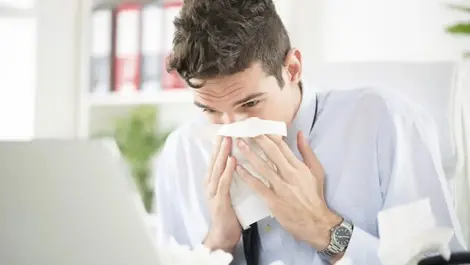
Hospital infection controls may need updating after researchers found some cough-borne bacteria can stay airborne for up to 45 minutes.
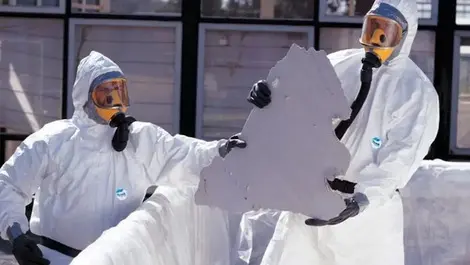
Missing the certified system by 4 April will invalidate licences, forcing asbestos removers to stop work and risking prosecution.
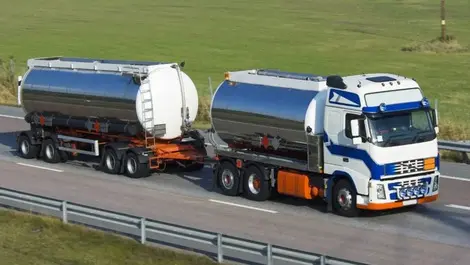
Senior managers are being urged to tackle work-related road risk as new free guidance highlights safety, compliance and cost savings.
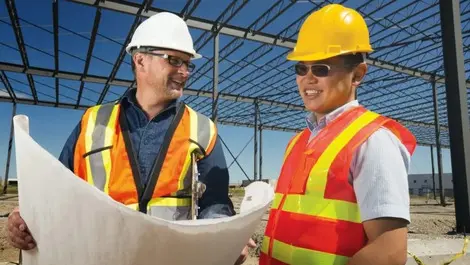
Many firms still face health and safety blind spots, with the new audit rating contractors and workplaces before fines or jail become a risk.
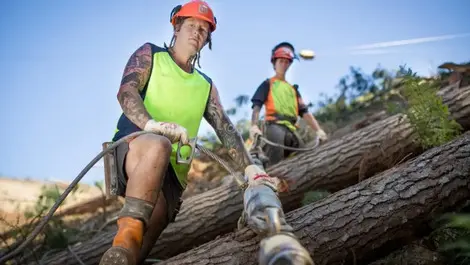
Forestry employers can now offer subsidised counselling to staff, with sessions billed at special corporate rates from GBP £130 an hour.
Two-thirds of New Zealand businesses may be missing contractor and workplace risks, with fines or imprisonment possible under new law.
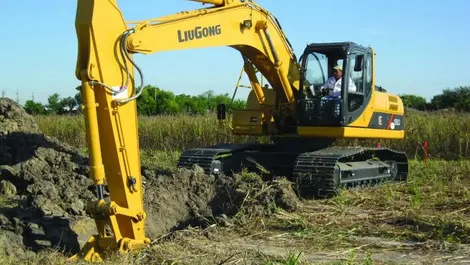
A drainage contractor was fined NZD $48,875 after poor hazard planning left a worker run over by an excavator and badly injured.
Workers face a 4 April deadline to complete asbestos training, as only accredited providers will have their courses recognised by WorkSafe.
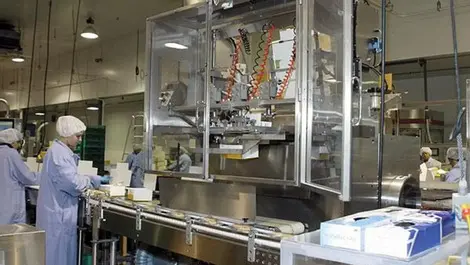
The fatal collapse exposed gaps in risk controls after WorkSafe found the packaging firm relied on workers to manage dangerous machinery themselves.
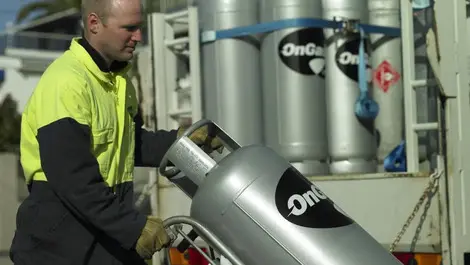
A new filling system has eliminated strain injuries for OnGas workers after testing nearly 6,000 LPG bottles a day across New Zealand.
The accord aims to give subcontractors clearer, more consistent safety requirements across major sites and help reduce injuries nationwide.
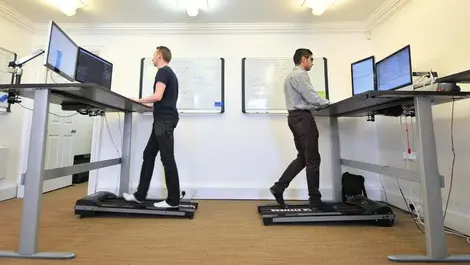
Workers using sit-stand or treadmill desks were found to focus better on urgent tasks and show lower stress than chair-bound colleagues.
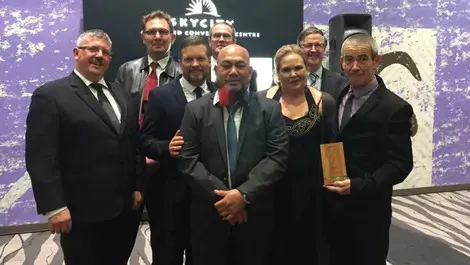
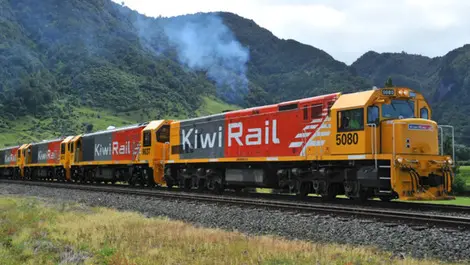
Hotworks changes at the rail operator have cut gas-cutting and welding injuries, helping it beat more than 180 entries for an award.
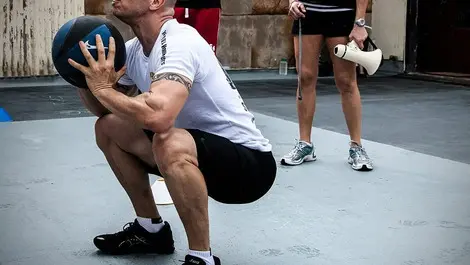
Gym membership numbers often rise in winter, and Exercise NZ says keeping active can cut illness, lift mood and support recovery.
Fake greenwalls may pose fire and allergy risks in offices, as a pioneer urges property managers to choose living walls instead.
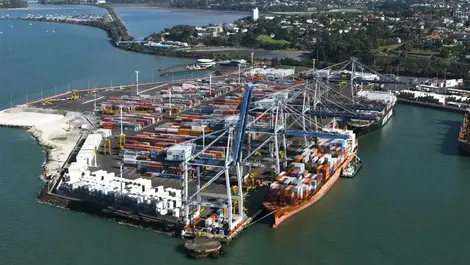
Safety and environmental concerns will see methyl bromide captured at Ports of Auckland by year-end, after Green Party pressure.
Workers handling asbestos will need new training units from 4 April 2018, as New Zealand tightens rules to cut exposure risks.
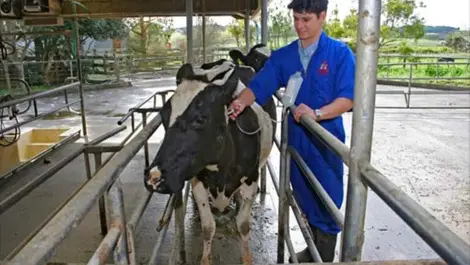
Farmers are being urged to vaccinate herds and control rodents now, as winter conditions raise the risk of leptospirosis spreading to people.
The funding will help keep freight and commuter services reliable, while supporting recovery works and safety upgrades across KiwiRail’s network.