Energy efficient stories
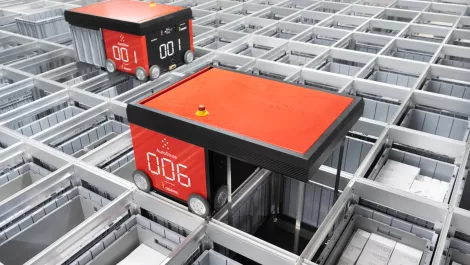
Australian wellness and beauty company BWX expands its Melbourne operations with a new highly automated manufacturing DC.
Equinix opens co-innovation facility in Washington, D.C. to develop efficient and sustainable solutions for data centers worldwide.
According to Edge Centres CEO and founder Jonathan Eaves, development approval is an important step in kicking off the company's deployment in Australia.
Vertiv has launched a new line of efficient thermal management solutions for high-density IT applications across Southeast Asia, Australia and New Zealand.
Metered Auckland households use far less water than unmetered districts, where per-person consumption can reach 800 litres a day, the report says.
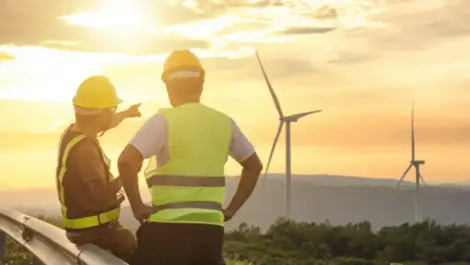
Europe’s energy security has been exposed by Russia’s invasion, strengthening calls for a rapid shift to renewables and digital twins.
Climate pledges made at COP26 could speed up investment in clean energy, EV charging and low-carbon materials, despite weak deadlines.
Poor maintenance is costing firms billions through outages, water failures and transport disruptions, the G20 says in a new policy agenda.
Consumer demand for stylish smart switches has put three Schneider Electric PDL products among finalists at New Zealand's Best Design Awards.
Judges praised the low-energy Jack’s Point build for self-sufficiency and craftsmanship, sending DCD through to November’s national awards.
Poor data and slow adoption are leaving construction late, over budget and responsible for a growing share of emissions.
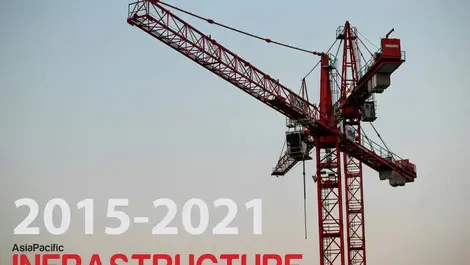
Digital twin tools could help cut costly delays and emissions, as 90% of infrastructure projects are still late or over budget.
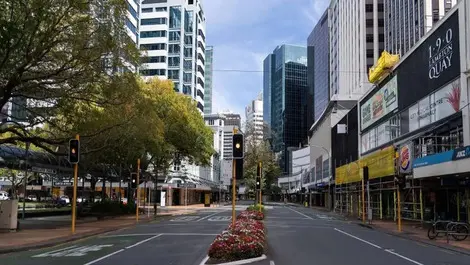
Vacancy has risen across Auckland and Wellington, while retailers and landlords wait to see whether city centres can recover from lockdown losses.
Poorer collaboration is slowing projects, but digitisation, prefab and greener materials are reshaping New Zealand and Australia’s building sector.
Wellington has cut net emissions by 7% in 20 years despite 26% growth, as EV chargers and car share schemes reshape transport.
Wastewater plants could cut costs and emissions by generating surplus heat and power, as Copenhagen and Turku already show.
Sustainability, modular builds and antimicrobial coatings are expected to reshape the sector as pandemic-era demand and supply shifts persist.
Establishing a carbon baseline gives firms a starting point to cut emissions, compare sites and plan against future climate targets.
Clean energy stocks may stutter in 2021 even as investment, EV sales and solar and wind capacity all hit fresh records.
Poor ventilation in crowded buildings can raise airborne infection risks, with researchers urging urgent upgrades to protect workers and students.